

Hoping a relationship will improve can sit alongside affection, frustration and uncertainty. You may see possibilities while also noticing that the same concerns keep returning. You do not need to predict whether someone will ever change before deciding what you want now.
These questions help separate a request for change, a difference in preferences and a concern about safety. Consider the pattern you are actually living with, rather than a diagnosis or a promised future.
On this page

1. What do you want to be different?
Identify whose choices are involved
You can choose how you act and what arrangements you accept. You can ask someone else to change a behaviour, but you cannot make the decision for them. Describe the change you want in ordinary terms, such as keeping an agreed plan.
Name a need clearly
Wanting companionship, respect or reliable communication is worth discussing. Make the request specific enough that both people understand it. A different need does not automatically make either person selfish or wrong.
Use a feeling as a reason to look closer
A strong feeling can tell you that something needs attention, without establishing another person’s intentions. If spiritual reflection matters to you, it can sit alongside attention to observable behaviour and your own choices.
Consider the contact available
Ask whether the time and attention available fit what you want. You do not have to beg for contact or prove that your wishes are reasonable enough to count. The other person can also be honest about what they can offer.
2. Do your important plans fit together?
Discuss goals directly
Plans for children, marriage, where to live or the shape of the relationship may matter deeply. Ask what each person wants now. Do not rely on persuading someone to want a different future later.
Separate preferences from incompatibility
Different personalities or hobbies do not automatically rule out a relationship. Consider how the difference affects daily life and whether any arrangement is comfortable for both people. You may also decide that it matters too much to you.
Talk about family involvement
Discuss visits, privacy and responsibilities involving relatives. Having close family ties is not proof that a partner will always dismiss you. Focus on the specific arrangement and whether both people can make choices about it.
3. Can you discuss concerns with respect?
Notice the pattern of disagreement
Ask what happens when the same issue returns. Can you understand each other’s position, make a practical agreement or acknowledge an unresolved difference? Repeated conflict is information to consider, not an automatic instruction to stay or leave.
Make a workable request to talk
A conversation may need a different time or a pause. Consider whether there is a genuine opportunity to return to it. You do not have to chase indefinitely, and neither person should be forced to discuss everything on demand.
Take loneliness seriously
Feeling lonely in a relationship deserves attention. Describe what connection you miss and consider support beyond the relationship too. The feeling does not prove exactly what your partner feels, but its effect on you still matters.
4. What happens after a promise?
Look for the specific change
If an agreement is made, consider what actually happens over time. “Things will be better” is harder to assess than a clear arrangement about a recurring problem. You can notice progress while also deciding that it is not enough for you.
Keep independence in the picture
Separate friendships and interests can coexist with a shared life. Privacy is different from concealing information that affects an agreement. Talk about the concern without demanding access to every private conversation.
Describe behaviour instead of a character verdict
Name an action and its effect rather than concluding that a person is permanently selfish or immature. Accountability means taking the behaviour seriously; it does not require proving what sort of person someone is.
Check what the arrangement costs you
Consider whether you are repeatedly giving up important wishes to keep the relationship going. Compromise is most useful when freely chosen. You can decide that an arrangement is unsuitable even when the other person prefers it.
5. Do you feel safe making your own choices?
Take fear and threats seriously
If raising a concern, declining contact or considering leaving brings fear, seek individual support with a plan suited to your situation. You do not need another confrontation to establish that the concern matters. Love is respect’s breakup guidance discusses safety and support.
Notice the response to your feelings
Someone can disagree with your interpretation and still listen respectfully. Pay attention to ridicule, pressure or repeated dismissal. You do not have to find a perfect explanation before deciding what you are willing to participate in.
Avoid diagnosing your partner
A list of relationship problems cannot establish a personality disorder or tell you that a person can never change. You can set limits around specific behaviour without a diagnosis, an explanation of their motives or a promise of improvement.
6. What next step is available to you?
Make room for worries about being alone
You may fear loneliness or an uncertain future. Those worries deserve support, but no one can promise when another relationship will happen. Consider the practical and social support that could help with the choice in front of you.
Choose using the relationship as it is now
You might ask for one clear change, take time to reflect or decide to end the relationship. You can care about someone and still want a different life. Our guide to clear breakup words, plans and boundaries offers practical next steps if you choose to leave.
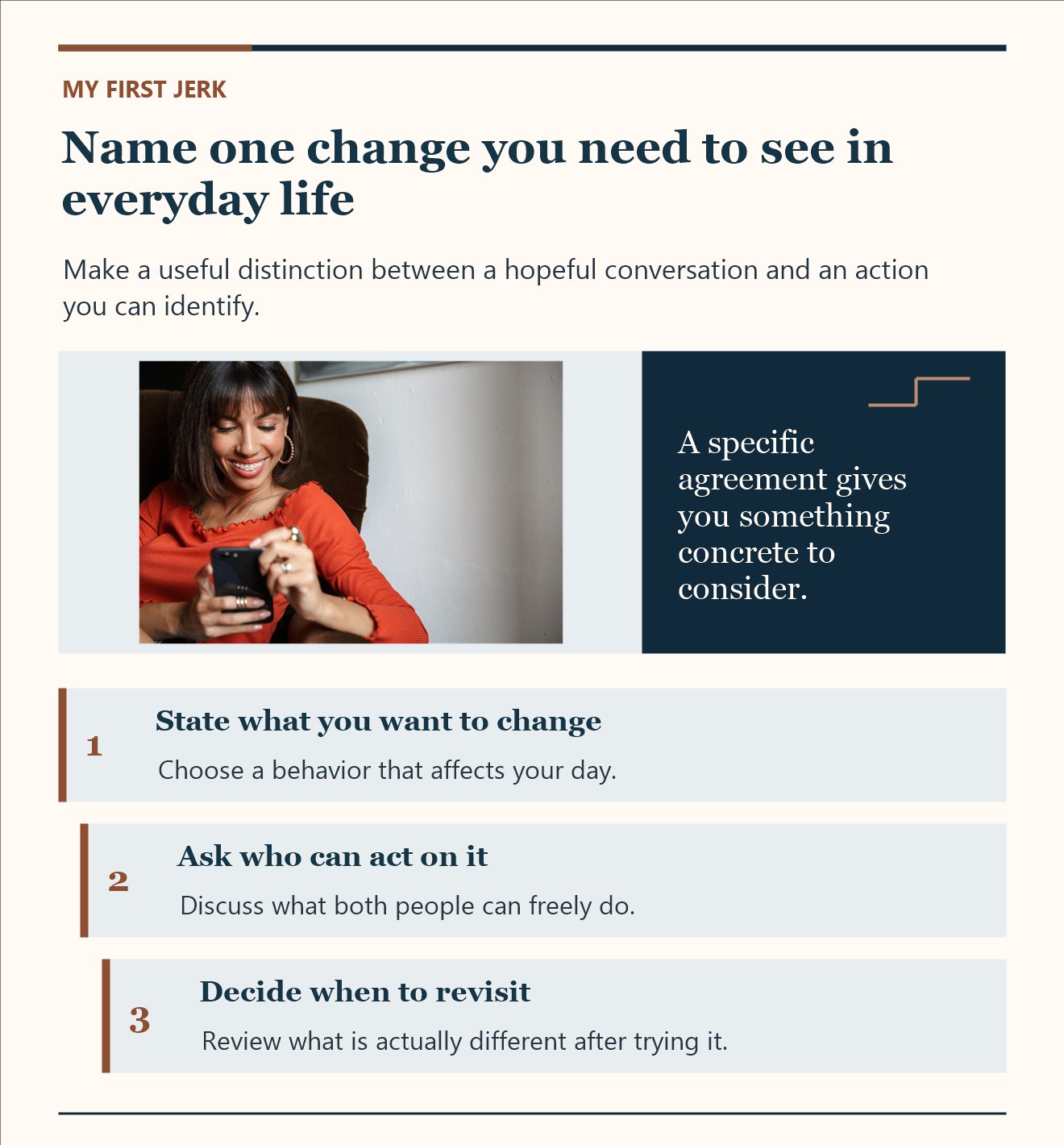
Name one change you need to see in everyday life
If you keep hoping your partner will ask about your schedule before making plans, make one request about an upcoming weekend. Agree on a confirmation deadline if they want to, and consider what you can do independently if the plan is not confirmed.
At a later check-in, look at whether both people could take part. You can change your own plans if the pattern is not moving in a direction you can live with.
Read the infographic in text
Name one change you need to see in everyday life
Make a useful distinction between a hopeful conversation and an action you can identify.
- State what you want to change Choose a behavior that affects your day.
- Ask who can act on it Discuss what both people can freely do.
- Decide when to revisit Review what is actually different after trying it.
A specific agreement gives you something concrete to consider.